Gardening Services in Norwood

Our gardening services in Norwood are designed to keep domestic and commercial outdoor spaces tidy, workable and presentable throughout the year. We handle routine maintenance, one-off clearance work and practical garden improvements, giving customers a straightforward way to keep paths clear, lawns manageable and planted areas under control. If you need a regular hand with the basics or a more involved tidy-up, we can shape the work around the site and the season.
We focus on the tasks that make the biggest difference to how a garden looks and functions: cutting back growth, removing waste, restoring shape and keeping surfaces usable. That may include lawn care, hedge trimming, clearing overgrown beds and dealing with mixed garden debris. For projects that need a fuller refresh, our work can also sit alongside landscaping and decking-related improvements where those services are suitable.
For a clearer idea of the options available, our services overview sets out the main types of garden work we offer. If you already know what needs doing, use the contact route on the site to request a quotation and outline the scope of the job.
Routine Garden Maintenance
Routine maintenance is often the easiest way to stop a garden from becoming difficult to use. Our maintenance work can cover mowing, edging, trimming, clearing light debris and keeping plant growth from spilling into paths or borders. It is useful where you want the garden kept in good order without waiting until it becomes heavily overgrown. That approach helps preserve structure, keeps the space looking cared for and reduces the effort needed later.
We can adapt maintenance visits to suit the condition of the garden rather than forcing a fixed template onto every site. Some gardens need frequent light attention, while others benefit from less regular but more detailed work that tackles seasonal growth and tidies up after longer gaps between visits. In either case, the aim is the same: keep the outdoor area in a practical state and maintain a neat finish that matches the property.
Find out more about garden maintenance if you want to compare the scope of ongoing care with a one-off visit. If you are preparing a quotation request, it helps to note the size of the garden, the areas that need attention and whether access is straightforward.
Lawns, Edges and Neat Finishes

A well-kept lawn can change the overall impression of a garden, especially when the surrounding edges and borders are tidy as well. Our lawn-mowing work is suited to gardens that need a clean, even cut, with attention paid to the finish around fences, beds, paving and narrow sections that are often missed. Where needed, the work can be combined with strimming or edging so the lawn looks orderly rather than simply shortened.
These smaller finishing details matter because they help define the space. Straight edges around paths, trimmed grass beside walls and tidy transitions into planted areas all contribute to a more deliberate appearance. For customers with mixed outdoor surfaces, the mowing work can be coordinated with other garden tasks so the result feels consistent rather than piecemeal.
See the lawn-mowing page for a closer look at the type of grass-cutting work available. If you would like a quotation, a brief description of the lawn size, the current condition and any awkward access points is usually enough to begin.
Hedges, Shrubs and Controlled Growth
Hedge trimming is about more than a neat outline. Regular cutting helps keep hedges manageable, prevents them from spreading into drives or walkways and maintains a shape that suits the property. We can trim established hedges, reduce untidy growth and tidy up uneven lines so the boundary or screening still does its job without looking neglected. For mixed borders, we can also work around shrubs and other planted areas to avoid unnecessary disturbance.
Controlled growth is especially important where plants have started to interfere with light, access or visibility. A hedge that has been left too long may need careful reduction rather than a quick trim, and that is best handled with a sensible approach to the plant's condition and the customer’s expectations. Where waste removal is required, we can also clear away the cuttings so the finished area is left ready to use.
Read more on the hedge trimming page if you want to see how that work is approached. When asking for a quote, mention the height, length and approximate condition of the hedge so the response can reflect the actual job.
Garden Clearance for Overgrown Spaces

Garden clearance is the right option when a space has become too full of weeds, broken material, leaf build-up or general clutter for simple maintenance alone. Our garden-clearance work can restore order to neglected beds, remove unwanted growth and deal with accumulated waste that prevents normal use of the garden. It is particularly helpful before other improvements begin, or when a property needs a visible reset rather than just a light tidy.
Clearance work often starts with separating what can be cut back from what should be removed entirely. That may include overgrown plants, loose branches, old containers, soil contamination on hard surfaces or general green waste that has built up over time. The result should be a safer, clearer area with the main surfaces, features and boundaries easier to assess for the next stage of work.
If that sounds like the type of service you need, take a look at garden clearance for the relevant page. It is useful to list any particularly awkward areas, narrow access routes or heavy waste when you ask for a quotation, as those details affect the scale of the job.
Landscaping and Structural Improvements
When a garden needs more than tidying, landscaping can introduce a new layout or improve how the space is used. Our landscaping work may include reshaping ground levels, improving boundaries, refreshing planting areas or making the garden easier to maintain in future. Rather than treating the space as a fixed backdrop, this type of work looks at how the area flows and which changes will have the most practical value.
Some projects are light-touch and focus on improving tired features, while others involve a broader reworking of the outdoor area. Good landscaping should respect what is already useful and alter only what needs to change. That can mean clearer access routes, better-defined beds or a more balanced relationship between hard surfaces and planted sections. It is sensible to decide early whether the goal is presentation, usability or both.
For related work, see our landscaping page and, where the brief includes built features, the decking services page. If you are comparing options, a short note describing the current layout and the outcome you want will help us prepare a suitable quotation.
Tree Work and Larger Garden Features
Some gardens need attention to larger growth or more demanding features rather than standard trimming and mowing. Our tree-lopping and removal work is intended for situations where branches, canopies or problematic trees need to be reduced or taken out in a controlled way. This sort of work can improve access, reduce crowding and make surrounding planting, lawns or structures easier to manage.
Because larger vegetation can affect fences, roofs, driveways and neighbouring spaces, it is important to assess the work carefully before starting. We can help with the practical side of organising that kind of task, including removal of cut material where appropriate. In many gardens, tree work also sits alongside wider maintenance or clearance so that the area is left more usable once the heavier growth has been dealt with.
See tree lopping and removal for the main service page. If you are planning a quotation request, note the location of the tree or trees, whether access is straightforward and whether there are nearby features that need to be protected during the work.
About Norwood

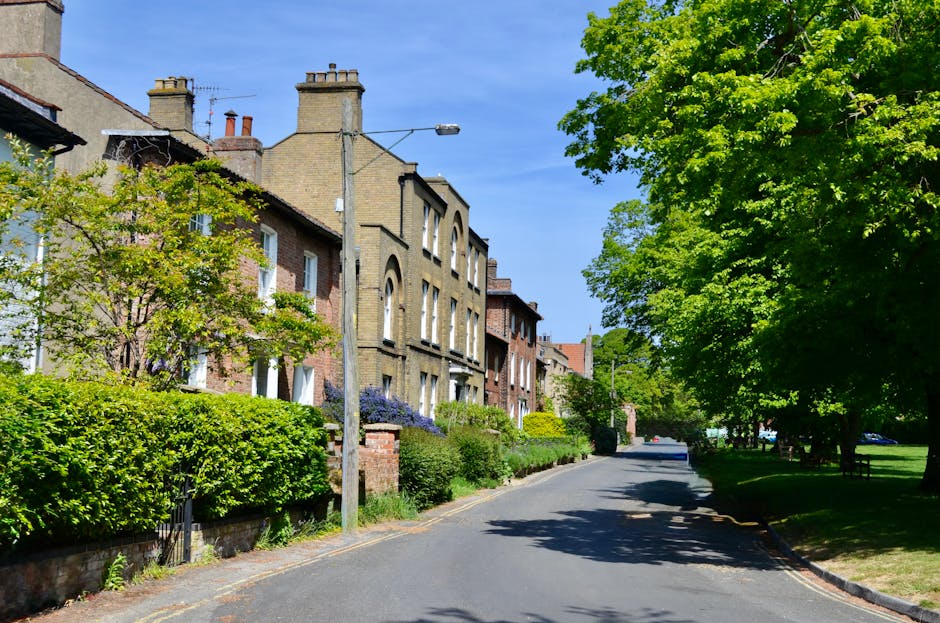
Norwood is a district in south London that spans parts of several boroughs, including the London Borough of Southwark, the London Borough of Lambeth and the London Borough of Croydon. The name is often associated with the elevated ground of the Norwood Ridge, a line of higher land that helped shape the area’s development and its long views across London. Historically, the district grew from woodland and common land into a suburban landscape with a mix of terraces, villas and later housing. The area’s built character reflects that layered growth: some streets retain late Victorian and Edwardian housing, while other parts show denser interwar and post-war development. Crystal Palace Park lies to the north-east of much of Norwood and remains one of the best-known nearby landmarks, with its lakes, historic terraces and the traces of the famous Crystal Palace site. South Norwood Country Park provides a large open green space within the wider district, while West Norwood Cemetery is notable for its scale and architectural interest, including memorials and chapels that have made it an important heritage site. Local shopping streets, rail links and community venues give the area an active neighbourhood identity, while the surrounding streets often mix residential calm with busy routes carrying through-traffic. The district’s split between different boroughs means its local character is varied, yet it still reads as one connected part of south London with a strong sense of place, established housing and a substantial amount of public green space.
Quotations, Access and Practical Preparation
When you request a quotation for gardening work, the clearest enquiries describe what is visible, what needs to be removed or cut back and whether the area is easy to reach. A few details about lawn size, hedge length, overgrowth, waste and any obstacles can make the estimate more useful. If the job is part of a wider plan, it is also worth saying whether you want one-off work, periodic maintenance or a package of tasks completed together.
It is also helpful to think about access before the work is booked. Narrow side gates, shared entrances, uneven ground or restricted parking can affect how the job is planned, even where the task itself is straightforward. Clear information at the outset can reduce confusion and helps the quotation reflect the actual site conditions rather than a general assumption. If photographs are available, they can support the written description, especially for overgrown or uneven areas.
To get started, you can review the relevant service pages and then ask for a quotation using the site’s contact route. If you already know the type of work needed, the contact us page is the best place to make that first enquiry.
Pricing Factors and Project Planning

Pricing for gardening work usually depends on the scale of the task, the condition of the site and how much time or disposal work is involved. A straightforward mow or trim will naturally differ from a clearance job that includes heavy waste, awkward access or several separate areas. Where work is combined, such as mowing alongside hedge cutting or general tidying, the overall brief may be more efficient than arranging each task separately.
Planning also matters because gardens change with the seasons and with the amount of time since the last visit. A property that has been maintained regularly may only need light attention, while a neglected space can call for a fuller reset before normal upkeep resumes. We can discuss the most sensible sequence for the work so that the outcome is practical rather than overcomplicated, and so the brief matches the garden’s actual condition.
For useful background on how estimates are handled, see pricing and quotes. If you are ready to move ahead, send the details of the work you need and request a quotation today.