Gardeners for Victorian terraces near Norwood Road station: practical, local help for narrow front gardens and back yards
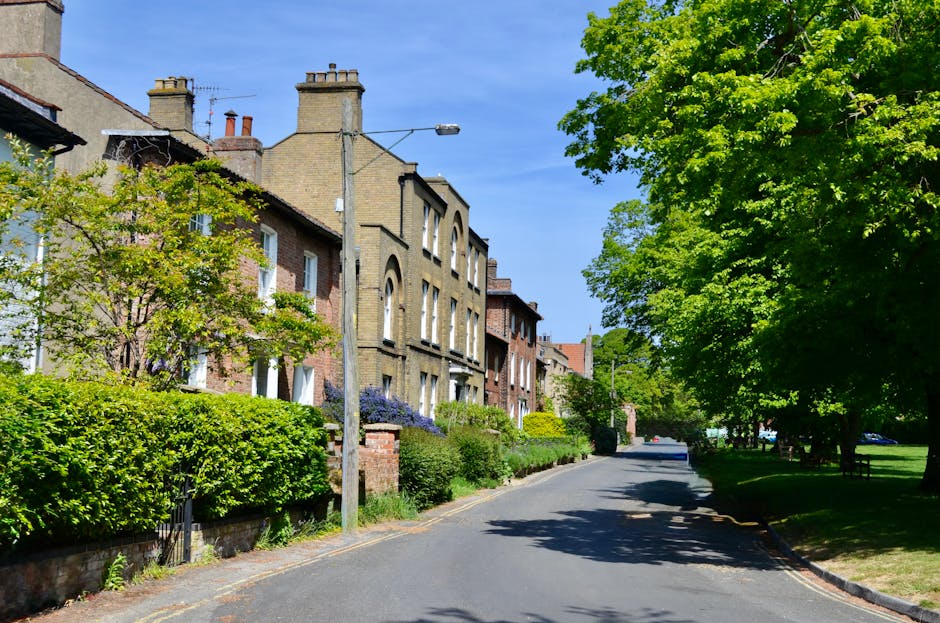
Victorian terraces have a very particular charm. Tall brick facades, front paths with a bit of history, compact back gardens, and often a layout that feels more like a series of outdoor "rooms" than one simple lawn. If you live near Norwood Road station, you already know the rhythm of the area: busy streets, homes close together, and gardens that need to work hard without becoming a weekend burden. That is exactly where Gardeners for Victorian terraces near Norwood Road station become genuinely useful.
This guide looks at what good terrace gardening involves, why it matters for older London properties, and how to choose the right approach for maintenance, planting, access, and long-term results. It also covers common mistakes, compliance basics, and a few practical ideas that make the whole job feel far less fiddly. Truth be told, terrace gardens can be lovely-but they are rarely low-effort.
For a broader look at the full range of local help available, you can also explore the services overview, read more about the team on the about us page, or check current pricing and quotes information before deciding what level of support makes sense.
Table of Contents
- Why Gardeners for Victorian terraces near Norwood Road station Matters
- How Gardeners for Victorian terraces near Norwood Road station Works
- Key Benefits and Practical Advantages
- Who This Is For and When It Makes Sense
- Step-by-Step Guidance
- Expert Tips for Better Results
- Common Mistakes to Avoid
- Tools, Resources and Recommendations
- Law, Compliance, Standards, or Best Practice
- Options, Methods, or Comparison Table
- Case Study or Real-World Example
- Practical Checklist
- Conclusion
- Frequently Asked Questions
Why Gardeners for Victorian terraces near Norwood Road station Matters
Victorian terraces were built for city living, not for modern "leave it to grow wild" gardening habits. Most have limited front garden space, shaded boundaries, narrow side access, and back gardens that can swing between overgrown and bare very quickly. In a local setting near Norwood Road station, that challenge is even more noticeable because many properties sit close to footpaths, neighbouring gardens, and busy roads. A tidy boundary matters. So does privacy. And so does making the space feel calm rather than cramped.
A terrace garden is usually a balance of three things: structure, maintenance, and resilience. The structure might be old brickwork, a path, a few mature shrubs, or a small lawn. Maintenance covers pruning, mowing, weeding, seasonal planting, and keeping the space useable. Resilience is about choosing plants and routines that cope with London weather, some shade, some pollution, and the odd dry spell. If any one of those is ignored, the garden tends to look tired pretty fast.
What makes this topic worth attention is that terrace gardens often carry hidden problems. Overgrown climbers can lift paintwork. Roots can crowd paving. Hedges may block light or irritate neighbours if they are not kept in check. Front gardens can become awkward to access, especially where bins, bikes, and parcel deliveries already make the space feel busy. A knowledgeable gardener sees those issues early, before they become expensive or annoying. That's the real value.
Practical takeaway: terrace gardens near station areas work best when they are planned around access, privacy, shade, and regular light-touch upkeep, not just one-off clearing.
How Gardeners for Victorian terraces near Norwood Road station Works
Good garden care for Victorian terraces is usually less about big dramatic changes and more about steady, thoughtful management. In many cases, the process starts with an assessment of what is already there: soil condition, light levels, plant health, hard landscaping, drainage, and the amount of usable space. A terrace garden can look straightforward at first glance, then reveal awkward corners, hidden weeds, or compacted soil once work begins. Happens all the time.
From there, the gardener normally breaks the job into sensible priorities. For example, a front garden may need pruning, a clean edge, weed removal, and perhaps a more compact planting plan that suits a narrow space. A back yard may need seasonal tidy-up, climber management, borders refreshed, and a better approach to pots or planters. For older terraces, there is often a lot of "make it neat and keep it breathable" rather than "rip everything out and start again".
If you are comparing service levels, it helps to understand how a gardener may structure the work:
- Routine maintenance: mowing, edging, deadheading, weeding, and general tidy-up.
- Seasonal work: pruning, leaf clearance, planting swaps, and preparation for winter or spring.
- Restoration work: cutting back overgrowth, reviving neglected beds, and reshaping borders.
- Design-led improvements: reworking planting schemes, containers, or small-space layouts.
In practice, the best results come from combining all four, but not all at once. A terrace garden often improves faster when the gardener first restores order, then adjusts the planting over time. That is usually the smarter route. Less wasteful, too.
For customers who want a clear sense of what can be included, the service details page can help frame the options. If access, timing, or communication matter to you-and they usually do-it's also worth reviewing the contact information before arranging a visit.
Key Benefits and Practical Advantages
People usually start looking for local gardeners because the garden looks untidy. Fair enough. But the real benefits go further than appearances.
1. Better curb appeal without overcomplication
Victorian terraces often look their best when the front is crisp, balanced, and not overloaded. Simple pruning, smart edging, and a few well-kept plants can make the whole house feel more cared for.
2. Easier access and safer movement
Narrow paths, steps, and side returns can get slippery with moss or leaf build-up. Regular maintenance keeps these areas easier to walk through, especially in wetter months when a damp terrace path can become a bit treacherous.
3. More privacy and comfort
Small urban gardens are often overlooked. Carefully managed shrubs, climbers, or screening plants can soften that feeling without making the space feel boxed in.
4. Healthier long-term planting
Plants in terrace gardens can suffer from shade, root competition, and compacted soil. A gardener who understands the space can choose plants that actually thrive there instead of merely surviving.
5. Less stress for the homeowner
Let's face it, most people don't want to spend Saturday morning wrestling a hedge trimmer in a narrow side passage. Having someone handle the routine work is a relief, and not a small one.
6. Better use of small spaces
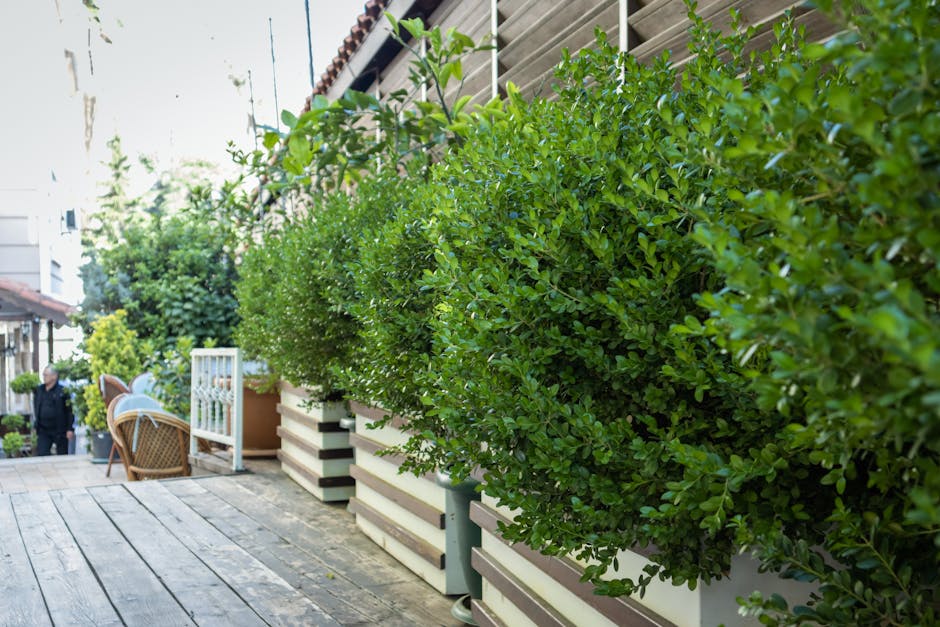
Terrace gardens often have one or two "dead" corners where nothing quite works. With the right planting and a cleaner layout, those awkward spots can become useful-pots, herbs, a compact bench, or a pollinator-friendly bed.
Expert summary: The most successful terrace gardens near Norwood Road station are usually simple, structured, and consistently maintained. They do not need to be elaborate. They need to be coherent.
Who This Is For and When It Makes Sense
This type of gardening support suits a pretty wide mix of people. Some want help because they are time-poor. Others because the garden is overgrown and they do not know where to start. And some simply want a dependable local pair of hands for regular upkeep. There is no single "ideal" customer, really.
You might benefit from a specialist gardener if you are:
- living in a Victorian terrace with a narrow front garden or compact rear yard;
- dealing with mature shrubs, climbers, or old borders that need steady control;
- struggling with shade, poor drainage, or patchy soil;
- trying to improve privacy without blocking light;
- preparing a property for sale, rental, or a family event;
- simply tired of the garden getting away from you every few weeks.
It also makes sense if the garden is near a station corridor and gets used heavily. In these settings, front spaces often pick up extra litter, foot traffic dust, and general wear. A clean, tidy planting scheme tends to cope better than an overly delicate one. Practical beats pretty, most days.
Homeowners, landlords, and anyone responsible for a shared frontage may especially value regular maintenance. If a property has multiple residents or a front boundary visible from the street, small jobs left undone can create a surprisingly big visual mess. One untidy hedge can make the whole frontage look neglected. Harsh, but true.
Step-by-Step Guidance
If you are approaching terrace garden work properly, this is the kind of sequence that tends to deliver the best outcome.
- Walk the garden slowly. Notice where water sits, where light falls, where weeds return fastest, and where access feels awkward.
- Decide what matters first. Tidy, safety, privacy, planting, or structure? You do not need to solve everything in one go.
- Clear the obvious clutter. Remove dead material, broken pots, fallen branches, and anything blocking paths or edges.
- Cut back with restraint. Victorian terrace planting usually benefits from careful pruning rather than brutal hacking.
- Inspect soil and containers. If soil is thin, dry, or full of roots, add compost or change the planting approach.
- Rebuild the borders. Edging, mulching, and re-spacing plants can instantly make a small garden feel calmer.
- Choose the right plants for the site. Shade-tolerant, drought-tolerant, and manageable plants tend to be the safest bet.
- Set a maintenance rhythm. In small terrace gardens, little-and-often often works better than big seasonal blowouts.
One useful trick: treat the garden like a room you use every week, not a display space you only notice in summer. If a path is awkward to walk on in February, it will still be awkward in July. That's the kind of detail people miss until it matters.
Some homeowners start with one-off restoration, then move into a light maintenance plan. Others prefer a more regular visit from the beginning. If you are unsure which route to take, a simple chat through the pricing and quotes page can help you compare realistic options without guessing.
Expert Tips for Better Results
Here are the small decisions that usually separate an average terrace garden from one that stays good-looking for months rather than days.
Keep the structure simple
Victorian terraces often benefit from a clear front-to-back visual line. Too many plant heights or too many unrelated colours can make a small garden feel busy. Simpler shapes feel more intentional.
Use containers carefully, not randomly
Pots are useful in small spaces, but they need a reason to be there. A couple of well-placed containers can work brilliantly. Ten mismatched pots... not so much. You know the type of thing.
Watch the shade
Tall neighbouring houses and boundary walls can leave certain parts of a terrace garden permanently shaded. That does not mean nothing will grow there. It just means you need plants suited to those conditions, plus a realistic watering routine.
Don't ignore the edges
Edges, corners, and boundary lines decide how tidy a terrace garden feels. A crisp edge along a path or bed often does more than a flashy plant ever could.
Plan for quick wins and slow wins
Quick wins include cutting back a hedge, weeding a path, and clearing old growth. Slow wins include rebuilding soil, improving drainage, and reshaping the planting so it matures well. Both matter. You need the immediate lift, but also the long game.
If sustainability matters to you, have a look at the company's recycling and sustainability approach. In a city garden, how waste is handled can be just as important as how the beds look at the end of the day.
Common Mistakes to Avoid
Victorian terrace gardens can be surprisingly easy to get wrong. Here are the big ones.
- Cutting back too hard: Over-pruning can leave a garden exposed, stark, or stressed.
- Choosing plants that outgrow the space: Some shrubs look neat for six months, then turn into a maintenance headache.
- Ignoring drainage: Small gardens often suffer from water sitting in the same spots after heavy rain.
- Using too many different materials: A mix of paving, gravel, ornaments, and pots can make a tiny garden feel cluttered.
- Leaving maintenance too long: In terrace gardens, a short delay can snowball. A two-week gap can become a full reset.
- Forgetting the front garden: The front is the first impression and often the easiest place to keep under control.
There is also the neighbour factor. It comes up more than people expect. Overhanging branches, hedges creeping over boundary lines, or leaves gathering on shared paths can all create friction. A bit of regular care avoids that awkward doorstep conversation nobody wants.
Another common issue is trying to make a terrace garden feel like a country garden. Nice idea, wrong setting. London terraces usually reward restraint, not abundance.
Tools, Resources and Recommendations
You do not need a shed full of specialist kit to maintain a terrace garden, but the right tools do make work cleaner and quicker.
| Task | Useful tools | Why they help in terrace gardens |
|---|---|---|
| Pruning shrubs and climbers | Secateurs, loppers, pruning saw | Gives cleaner cuts in tight spaces and near brickwork |
| Weeding paths and borders | Hand fork, hoe, stiff brush | Helps remove growth without disturbing narrow beds too much |
| Edging and shaping | Spade, edging tool, string line | Keeps straight lines neat in compact front gardens |
| Leaf clearance | Rake, grabber, collection bags | Stops slippery surfaces and clogged drains |
| Planting and feeding | Compost, mulch, watering can | Improves soil and helps stressed containers recover |
For customers who want to understand how working practices are handled, it can be useful to review the health and safety policy and the insurance and safety information. Those pages are not glamorous, to be fair, but they matter when someone is working with tools, ladders, waste, and awkward access around a home.
If you prefer a service-led route rather than managing the details yourself, the services overview and about us pages are useful next reads. And if you need practical booking details, contact us is the natural step.
Law, Compliance, Standards, or Best Practice
For most home gardening work, the main concern is not heavy regulation; it is sensible, professional practice. That said, there are still a few areas where care matters.
Health and safety: Good practice includes safe tool handling, stable footing, careful use of ladders where required, and awareness of trip hazards on paths or steps. In older terrace properties, uneven paving and narrow access can make this especially relevant.
Insurance: If work is being done by a contractor, many customers like to know there is appropriate cover in place. That is not being fussy; it is sensible. Gardens can involve damage risk, and homes are valuable assets.
Waste handling: Green waste, old branches, and cleared material should be dealt with responsibly. If recycling and disposal are part of the service, that is a practical plus, especially in a dense residential area where space for waste storage is limited.
Privacy and neighbour care: While not a "legal drama" in most cases, good terrace gardening also means keeping an eye on hedges, overhangs, and access points so you are not creating avoidable issues next door.
Payment and customer terms: Before any job starts, it is wise to understand the payment setup, cancellation expectations, and any service conditions. The payment and security and terms and conditions pages exist for exactly that reason.
If you ever need to raise a concern about service, the complaints procedure provides a clear route. And for data handling, the privacy policy explains how personal information is managed.
Options, Methods, or Comparison Table
Not every terrace garden needs the same kind of help. Some just need regular maintenance. Others need a proper reset. Here is a simple way to compare the main approaches.
| Approach | Best for | Pros | Watch-outs |
|---|---|---|---|
| One-off tidy-up | Overgrown gardens, pre-sale preparation, seasonal clearing | Fast improvement, easy to schedule | May not solve recurring issues |
| Regular maintenance | Busy homeowners, landlords, shared frontages | Prevents the garden slipping back, lower effort over time | Needs consistency |
| Restoration plus maintenance | Neglected terraces or gardens with poor structure | Best long-term improvement | More time and planning required initially |
| Light design refresh | Gardens that are tidy but underused or dull | Improves function and appearance without full re-landscaping | Needs a clear brief to avoid extra cost |
If you are unsure which route fits, ask one simple question: do I need a clean reset, a maintenance routine, or a more usable layout? That answer usually points you in the right direction.
Case Study or Real-World Example
Here is a realistic local example based on the kind of work terrace gardens often need. A homeowner in a Victorian terrace near Norwood Road station had a front garden that looked tidy from a distance but felt awkward up close. The hedge had become uneven, weeds had filled the path joints, and a couple of pots were drying out badly in one corner while another stayed soggy after rain. Classic small-garden chaos, really.
The first step was not redesign. It was reset. The gardener cleared the path, reduced the hedge carefully, removed dead growth, and pulled out self-seeded weeds. After that, the planting was simplified so the garden had fewer thirsty pots and more resilient structure. A mulch layer helped retain moisture and made the borders look more finished straight away.
The homeowner did not need a show garden. They needed something calm, manageable, and smart-looking from the street. Once the basics were fixed, the garden stopped feeling like another job hanging over them. That change matters more than people expect.
Funny how a garden can change the mood of a whole house, isn't it?
Practical Checklist
Use this checklist if you are preparing to book or brief a gardener for a Victorian terrace garden near Norwood Road station.
- Check whether you need one-off help or regular maintenance.
- Walk the garden and note problem areas: shade, drainage, overgrowth, or poor access.
- Decide whether the priority is front garden, back garden, or both.
- Identify any plants you want to keep, reduce, or remove.
- Look for awkward spots near paths, drains, fences, and brickwork.
- Think about privacy, especially if neighbouring windows overlook the space.
- Ask about waste removal and recycling of green material.
- Confirm insurance, safety, and access expectations.
- Review pricing, timing, and terms before work begins.
- Plan a follow-up visit if the garden needs restoring rather than just tidying.
This kind of small planning saves time later. It also gives the gardener a much clearer brief, which usually means a better result first time round.
Get a free quote today and see how much you can save.
Conclusion
Victorian terraces near Norwood Road station have character in spades, but the gardens attached to them need a careful hand. The best gardeners for these properties understand that the space is usually narrow, practical, and visible from every angle. They know when to prune, when to simplify, and when to leave a good plant alone. That balance is what keeps a terrace garden looking calm instead of crowded.
If you are choosing support for a terrace garden, focus on fit, reliability, and realistic maintenance rather than dramatic promises. The right local help should make the space easier to live with, not create more decisions for you. And once the garden starts working with the house instead of against it, the difference is surprisingly uplifting. Little by little, it all comes together.
Frequently Asked Questions
What do gardeners for Victorian terraces near Norwood Road station usually do?
They typically handle pruning, weeding, hedge care, border tidying, planting updates, lawn maintenance, and general garden restoration suited to compact terrace spaces.
Are Victorian terrace gardens hard to maintain?
They can be, mainly because the spaces are narrow, shaded, and often close to neighbouring walls or paths. Regular light maintenance usually works better than leaving everything until it becomes a big job.
How often should a terrace garden be maintained?
That depends on the planting and how much use the space gets, but many terrace gardens benefit from regular attention during the growing season and lighter seasonal work in winter.
Can a small terrace garden still look attractive?
Absolutely. In fact, small spaces often look better than bigger ones when they are well structured. Clean edges, a sensible planting plan, and a few healthy features can make a huge difference.
What if my garden is overgrown and I do not know where to start?
Start with a reset rather than a redesign. Clear the obvious clutter, remove dead material, and sort the access points first. Once the space is readable again, it is much easier to plan the next step.
Do I need a full garden makeover or just maintenance?
If the layout still works and the planting is basically healthy, maintenance may be enough. If the garden feels unusable, overcrowded, or poorly drained, a restoration approach is often better.
Is it worth improving privacy in a terrace garden?
Yes, especially in closely spaced London streets. Thoughtful planting or screening can make the garden feel more comfortable without blocking all the light.
What should I ask before booking a gardener?
Ask about the type of work included, waste removal, timing, insurance, safety practices, and how pricing is structured. Clear expectations help avoid awkward surprises later.
How do I keep a small front garden from becoming messy again?
Use a simple planting plan, avoid overcrowding, and keep on top of weeds and edges. Small terrace fronts are easiest to manage when they are kept deliberately minimal and tidy.
Can gardeners help with both planting and cleanup?
Yes. In many cases, the best result comes from combining cleanup with practical planting changes so the garden becomes easier to maintain after the first visit.
What makes terrace gardening different from other garden work?
Access, scale, and structure. Victorian terraces usually need a more careful approach because the spaces are compact, visible, and often shaped by older brickwork or paving.
How do I know if a gardener is a good fit for an older property?
Look for someone who talks sensibly about access, shade, drainage, pruning, and maintenance rather than pushing a one-size-fits-all solution. Older homes need judgement, not just tools.